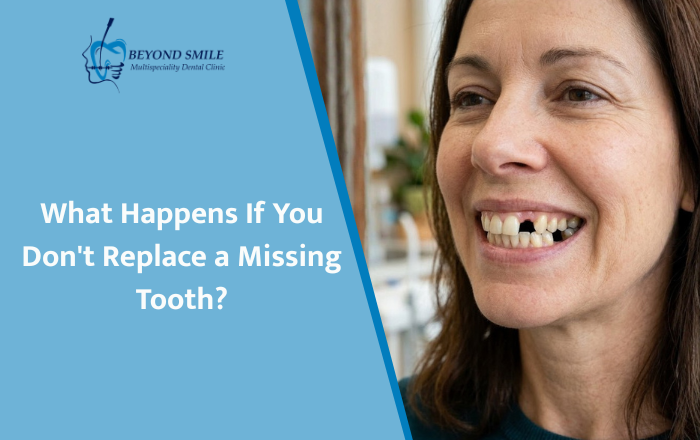
Losing a tooth can feel like a small problem, especially if it doesn’t hurt or show when you smile. Many people put off tooth replacement simply because eating and talking still seem manageable. But a missing tooth rarely stays a “small” issue for long. Understanding what happens if you don’t replace a missing tooth can help you make a more informed decision about your oral health before complications set in. This guide walks you through the short-term and long-term effects of an unreplaced tooth, why the problem tends to grow quietly, and what your treatment options look like. What Is a Missing Tooth? A missing tooth is simply a tooth that has been lost or removed and not replaced with an artificial one. This can happen due to decay, gum disease, injury, or extraction. Dentists sometimes call the empty area an “edentulous space,” but in plain terms, it’s just a gap where a tooth used to be. A single missing tooth might seem minor. However, teeth work together as a connected system, supporting each other, your bite, and the bone underneath them. When one part goes missing, the rest of the system starts adjusting, and not always in a good way. Why People Delay Replacing a Missing Tooth There are several common reasons patients wait, including: The gap isn’t visible when they smile or talk There’s no pain, so it doesn’t feel urgent Cost concerns around dental treatment Uncertainty about which replacement option is right for them A general dislike of dental visits These reasons are understandable. But the challenge is that most consequences of a missing tooth develop gradually, so by the time patients notice a problem, the damage has often already begun. What Happens If You Don’t Replace a Missing Tooth? Short answer: Leaving a missing tooth unreplaced can lead to shifting teeth, bone loss in the jaw, bite problems, gum disease, difficulty chewing, and changes in facial structure over time. The longer the gap remains, the more these issues tend to compound. Here’s a closer look at what actually happens, broken down by timeframe. Short-Term Effects In the first few months after losing a tooth, you might notice: Slight difficulty chewing on that side of the mouth Food getting trapped in the gap more easily Mild self-consciousness if the gap is visible Nearby teeth feeling a bit more sensitive These effects are usually manageable, which is exactly why many people don’t act right away. Long-Term Complications Over months and years, the situation tends to change. Here’s what commonly develops: Shifting and tilting teeth. Teeth next to the gap naturally lean toward the open space, since they no longer have a neighbor holding them in place. The tooth directly above or below the gap can also drift downward or upward, since there’s nothing to stop it. Bite misalignment. As teeth shift, your upper and lower teeth may no longer meet properly. This can lead to uneven pressure while chewing, and in some cases, jaw discomfort. Bone loss in the jaw. This is one of the least visible but most significant effects. Jawbone stays strong through the pressure it receives every time you bite and chew. Without a tooth root in place, that area of bone no longer gets stimulated, so the body gradually resorbs it, meaning the bone shrinks over time. Facial appearance changes. Since jawbone gives structure to your lower face, ongoing bone loss can eventually lead to a sunken look around the cheeks or jaw, particularly if several teeth go unreplaced for years. Speech difficulties. Front teeth especially play a role in forming certain sounds. Gaps, particularly multiple ones, can affect clarity of speech. Increased risk of gum disease. Gaps are harder to clean effectively, and shifted teeth create tighter, harder-to-reach spaces where plaque builds up. Over time, this raises the risk of gum inflammation and infection. Strain on remaining teeth. With one tooth missing, the surrounding teeth take on extra chewing load. Over years, this added stress can lead to premature wear, cracking, or sensitivity in teeth that were previously healthy. Effects on Surrounding Teeth: A Quick Summary Time Since Tooth Loss Common Changes 0–6 months Minor chewing difficulty, mild gap awareness 6 months–2 years Neighboring teeth begin shifting or tilting 2–5 years Noticeable bite changes, increased bone loss 5+ years Facial structure changes, higher risk of further tooth loss Impact on Chewing and Digestion Chewing is the first step of digestion. When a tooth is missing, people often shift their chewing to the opposite side of the mouth, which can lead to uneven muscle use and, in some cases, jaw strain. Poorly chewed food also puts more work on the stomach to break it down, which isn’t ideal for long-term digestive comfort. Is a Missing Tooth Dangerous? A missing tooth isn’t an emergency in the way a severe infection is, but it isn’t harmless either. Left unaddressed, it can lead to progressive bone loss, gum disease, and damage to healthy teeth nearby. The risk isn’t sudden. It builds quietly, which is what makes early attention so valuable. Available Treatment Options The right option depends on your oral health, the location of the missing tooth, and your personal preferences. A dentist can help you decide after an evaluation, but here’s a general comparison to understand the choices. Treatment How It Works Typical Lifespan Helps Prevent Bone Loss? Dental Implant A titanium post is placed in the jawbone, topped with a crown 15–25+ years with care Yes Fixed Bridge Anchors to neighboring teeth to fill the gap 10–15 years No Partial Denture A removable appliance replacing one or more teeth 5–8 years No Dental implants are often recommended because they replace the tooth root itself, which is the part responsible for stimulating the jawbone. Bridges and dentures restore appearance and some chewing function but don’t address bone loss the same way. When Should You See a Dentist? You should consult a dentist if: You’ve had a tooth extracted or lost recently and haven’t discussed replacement