
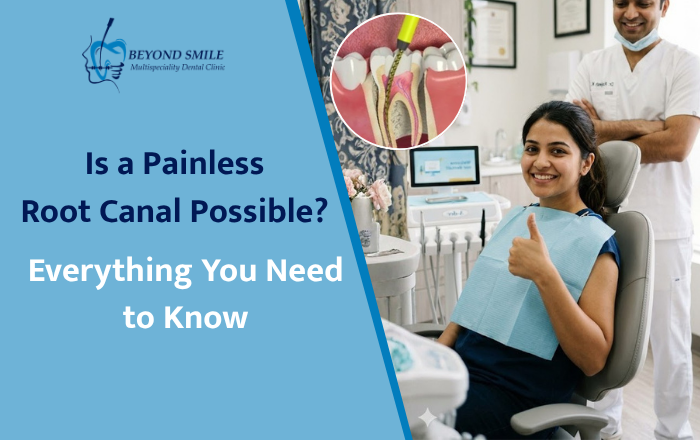
If the words “root canal” make you want to cancel your dental appointment and never look back — you’re not alone. For decades, this treatment has had a reputation that’s frankly worse than the procedure itself. But here’s the truth: the root canal treatment most people are afraid of exists mostly in old stories and outdated experiences. Today, getting a root canal is often no more uncomfortable than having a cavity filled. So if you’ve been putting off treatment because of fear, this article is for you. Let’s clear up the confusion, walk you through what actually happens, and help you understand why so many patients leave the chair wondering what all the fuss was about.
What Exactly Is a Root Canal — and Why Do People Fear It?
Inside every tooth, beneath the hard enamel and the layer called dentin, there’s a soft area known as the pulp. This pulp contains nerves and blood vessels. When a tooth gets deeply infected or badly decayed, the pulp becomes inflamed and painful. A root canal treatment removes this infected pulp, cleans out the inside of the tooth, and seals it — saving the tooth from extraction.
So where did the fear come from? Mostly from the past. Decades ago, dental anaesthesia wasn’t as effective, and the tools used were far more basic. People went through uncomfortable procedures and passed those stories down. The problem is, dentistry has changed enormously since then — but the reputation hasn’t caught up.
5 signs you might need a root canal:
- Severe, lingering toothache — especially when biting or applying pressure
- Sensitivity to hot or cold that doesn’t go away quickly
- Darkening or discolouration of the tooth
- Swollen or tender gums near the affected tooth
- A pimple-like bump on the gums that keeps coming back
If any of these sound familiar, it’s worth getting checked. Delaying treatment almost always makes things worse.
Is a Painless Root Canal Actually Possible? Yes — Here’s Why
This is the question most people want answered, and the honest answer is: yes, a painless root canal is very much possible today and it’s the norm rather than the exception.
Here’s what makes modern root canal treatment so much more comfortable:
- Better anaesthesia. The local anaesthesia used today is highly effective. Your dentist numbs the area thoroughly before starting, and most patients feel nothing beyond a slight pressure sensation. The injection itself is the sharpest part — and even that is over in seconds.
- Rotary endodontics. Instead of manual files, dentists now use electric rotary instruments that clean and shape the root canals faster and more smoothly. This means shorter appointments and less vibration inside the tooth.
- Sedation options. For patients who feel anxious, sedation dentistry is available. You remain conscious but deeply relaxed many people barely remember the procedure. This is a genuine option, not just a marketing promise.
Studies from the American Association of Endodontists show that patients who have actually had a root canal are six times more likely to describe it as “painless” than those who haven’t had one yet still fear it. The fear is real, but it isn’t based on what the modern procedure actually feels like.
What to Expect Before, During and After
- Before your appointment: Eat a light meal beforehand. Get a good night’s sleep. Avoid alcohol. Your dentist will go through your medical history and take an X-ray to see the extent of the infection.
- During the procedure: You’ll be given local anaesthesia. Once numb, the dentist places a small rubber sheet around the tooth to keep the area clean and dry. A small opening is made in the top of the tooth. The infected pulp is gently removed, the canals are cleaned and shaped, and then sealed with a material called gutta-percha. The whole process usually takes 60 to 90 minutes.
- After the procedure: Mild soreness for 2 to 3 days is normal over-the-counter pain relief manages it comfortably. Avoid chewing on that side until your dentist places the permanent crown. Most people return to normal daily activities the very next day.
7 tips for a smooth recovery:
- Take prescribed or recommended pain relief on time
- Eat soft foods for the first 48 hours
- Avoid very hot or very cold drinks
- Don’t smoke during recovery
- Keep the area clean with gentle brushing
- Attend your follow-up appointment
- Get your permanent crown placed as soon as your dentist recommends
How to Choose the Right Root Canal Specialist
Not all dental experiences are equal — and choosing the right root canal specialist makes a significant difference. Look for someone with specific experience in endodontic treatments, a clean and well-equipped clinic, transparent pricing, and real patient reviews. A good dentist will also take time to explain what’s happening, answer your questions without rushing you, and make sure you feel comfortable before starting.
You can also explore the full range of dental treatments available at Beyond Smile Dental Clinic to understand your options before your visit.
Don’t Let Fear Cost You Your Tooth
The biggest risk with a root canal isn’t the procedure — it’s waiting too long. An untreated infection spreads, causes serious pain, and can ultimately lead to tooth loss. Early treatment is always the more comfortable path.
If you’re in Kolkata and looking for a root canal specialist in Ballygunge you can actually trust, Dr. Ankit Saha at Beyond Smile Dental Clinic is exactly who you need. Dr. Saha is known for his calm, patient-first approach and his ability to put even the most nervous patients at ease. Whether you’re coming in for your first root canal treatment or returning for ongoing dental care, you’ll find a team that genuinely listens and treats you like a person — not just a patient.
Book your consultation with Dr. Ankit Saha at Beyond Smile Dental Clinic, Ballygunge today — and take the first step toward a healthy, pain-free smile.
Frequently Asked Questions
Q1. Does a root canal hurt?
With proper anaesthesia, most patients feel little to no pain during the procedure. Some mild soreness afterwards is normal and settles quickly.
Q2. How many sittings does a root canal take?
Most cases are completed in one or two sittings depending on the severity of the infection.
Q3. Is a root canal safe?
Absolutely. It is one of the most commonly performed dental procedures and has a very high success rate when done by a skilled specialist.
Q4. Why should I choose Beyond Smile Dental Clinic for my root canal?
Dr. Ankit Saha brings focused expertise in root canal treatment, a gentle approach, and a welcoming environment that makes the experience far less stressful than you’d expect. Visit beyondsmile-dentalclinic.com to learn more or book an appointment.
Name – Beyond Smile Dental Clinic Ballygunge – Dr. Ankit Saha
Address: 23, Ballygunge Gardens, Gariahat, Kolkata, West Bengal 700019
Phone: 74399 96185